

on 04/05/2026
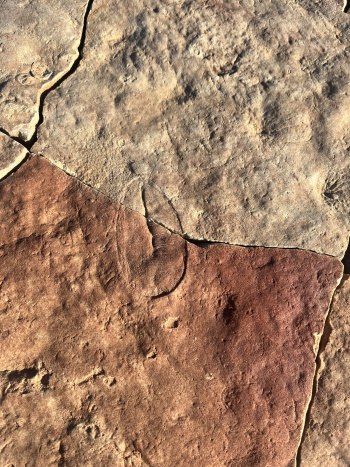
Do you have a natural flair for writing? Are you fascinated by fossils and Australia’s natural history? Consider creating a written piece for this year’s Commemorative Science Writing topic.
Sponsored by the Flinders Ranges Ediacara Foundation, the 2026 Commemorative Science Writing Award (R-6, 7-12) will be awarded to the best Science Writing Project on the commemorative science writing topic: Discovering Spriggina: South Australia’s Window into Life’s Beginnings. Through this topic, students are invited to explore the science behind fossils, geology, and evolution, while reflecting on how one South Australian discovery reshaped the global story of life on Earth.
Here are some ideas to help you create something unique and inspiring:
A day in the life of Spriggina
Write a creative narrative from the perspective of Spriggina, describing its environment in the ancient Ediacaran seas and how it lived.
The discovery story
Retell the moment Spriggina fossils were discovered in the Flinders Ranges, highlighting the role of Reg Sprigg and why the discovery was so significant.
Why Spriggina matters
Explain how Spriggina contributes to our understanding of early animal life and its connection to evolution.
Fossils as time capsules
Explore how fossils form and what they reveal about Earth’s history, using Spriggina as a key example.
A scientist’s field journal
Write a series of journal entries from a palaeontologist working in the Flinders Ranges, documenting discoveries and challenges.
Protecting our prehistoric heritage
Discuss why sites like the Nilpena Ediacara National Park are important and how they are preserved for future generations.
From local discovery to global impact
Explain how a fossil found in South Australia changed scientific thinking worldwide about early life.
Interview with a fossil
Create an imaginative interview where Spriggina “answers” questions about its life, environment, and scientific importance.
Resources to help you get started:
- Flinders Ranges Ediacara Foundation | Established 2018
- Ediacara Biota research | SA Museum
- Spriggina state fossil of South Australia by Paleozoo.
- The weird and wonderful of the Ediacaran Period (Part 9): Spriggina – a segmented pioneer of the Ediacaran world – Deposits
- The curious geologist - ABC listen
- Reg Sprigg
Share:


