on 23/02/2026
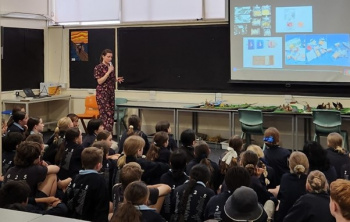
SASTA is pleased to reshare this student-written blog from Unley Primary School, highlighting an engaging Year 5/6 science investigation inspired by real-world research. The visit connected classroom learning with current work being undertaken through the Plants for Space program at the University of Adelaide.
From the Science Teacher
As a Science Teacher, this was an excellent opportunity for our students to hear about real-world science in action, with the groundbreaking work being done by the Plants for Space team. It was highly engaging, and not only provided the students with an opportunity to take part in a hands-on science investigation, but also gave insight into the amazing ways that science is being used to solve problems as humans venture out into space for further distances and longer times.
Miriam Doull, Science Teacher
Earlier in Term 4 we had a scientist come and visit the Year 5/6 students. Dr Lieke van der Hulst, from the University of Adelaide, is currently working for the Plants for Space project. Plants for Space is funded by the Australian Research Council and partners with a global community of research organisations including the Australian Space Agency and NASA. It is a group of scientists using special technology to enable humans to survive and thrive in space by creating a sustainable garden.
They have been researching different edible plants that can grow and survive on space missions that could possibly last months to years. Their idea is to be able to grow complete nutrition and zero-waste fruit and vegetables under LED lights to provide ‘sunlight’ to the plants, so that they can flourish in the harsh conditions.
Dr Lieke van der Hulst kindly provided each of the students across all of the Year 5/6 classes with a bean seed, a plastic container to use as a terrarium, some soil and some moss to grow our bean plants. We spent some time planting our seeds before we decided where they were going to grow.
In Room 1, we created three places to grow the plants, all with different environments and sunlight amounts. One option was the windowsill, in direct sunlight. The second option was on the shelf at the back of the classroom, in indirect sunlight. The third and final option was in the stationery cupboard in the dark. We were split into groups that were each allocated a place, to create a fair test in our science investigation.
After approximately three weeks of growth, we identified that the plants in the cupboard had the least growth, and some of them never started growing in the first place. The plants in indirect sunlight experienced minimal growth, with some beans dying after a short amount of time and some angling themselves towards the sun for more light. The beans in direct sunlight on the windowsill were thriving, with some measuring more than 15 centimetres.
The Year 5/6 students really enjoyed this gardening experience and loved meeting Dr Lieke van der Hulst. We hope to hear more about the developments in Plants for Space research in the future.
Written by Amélie, Ami and Kristiana, Room 1, Unley Primary School
Share:


